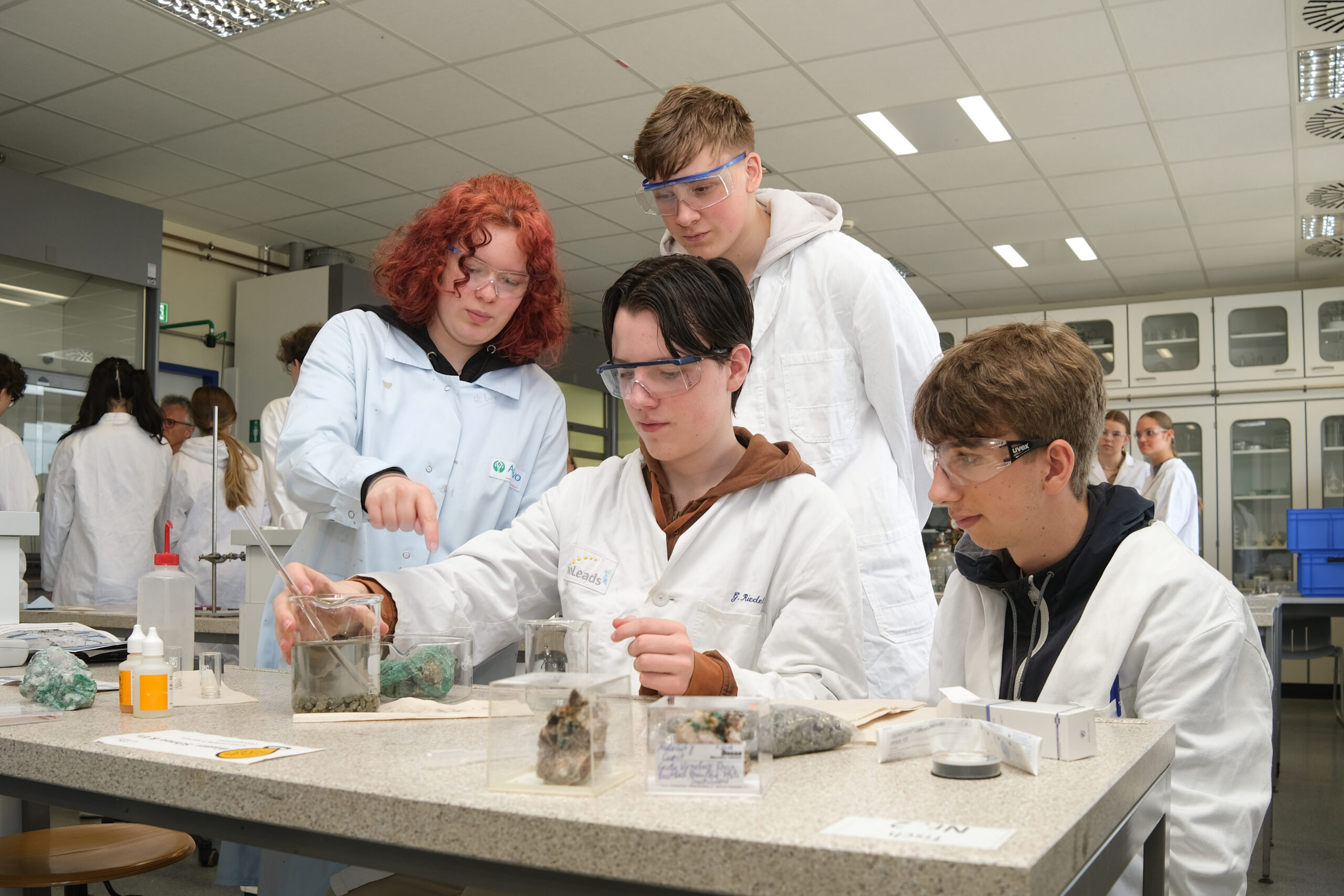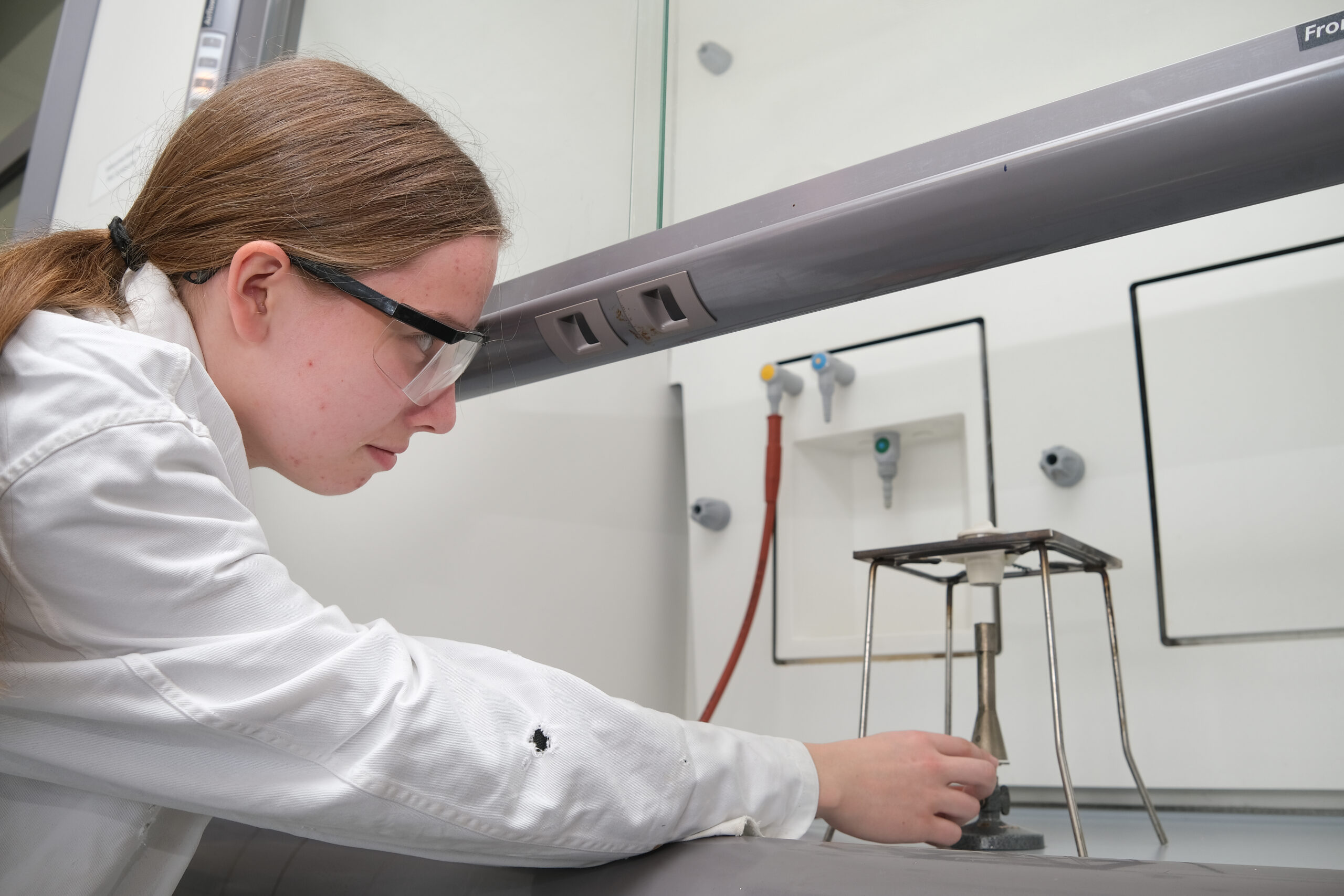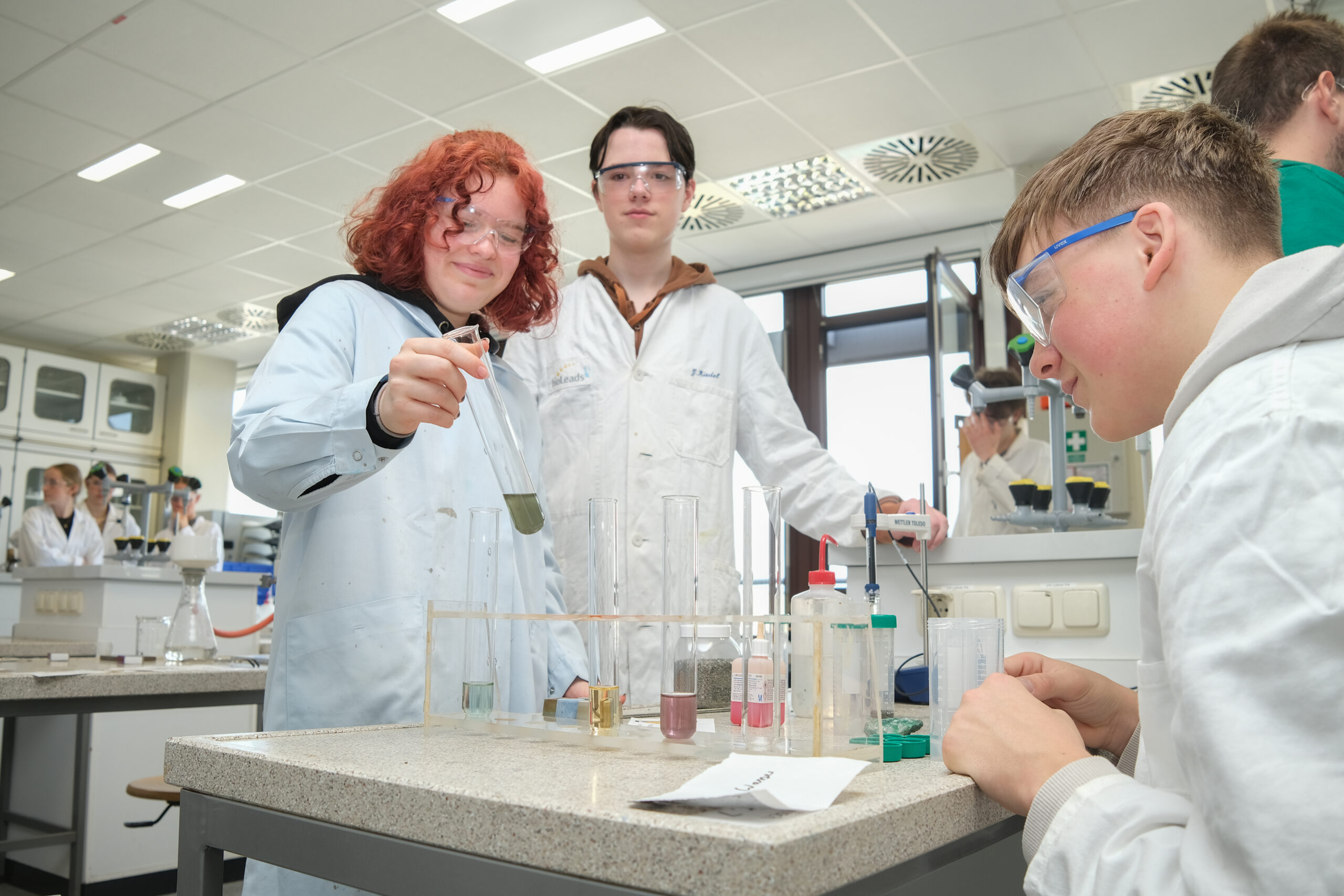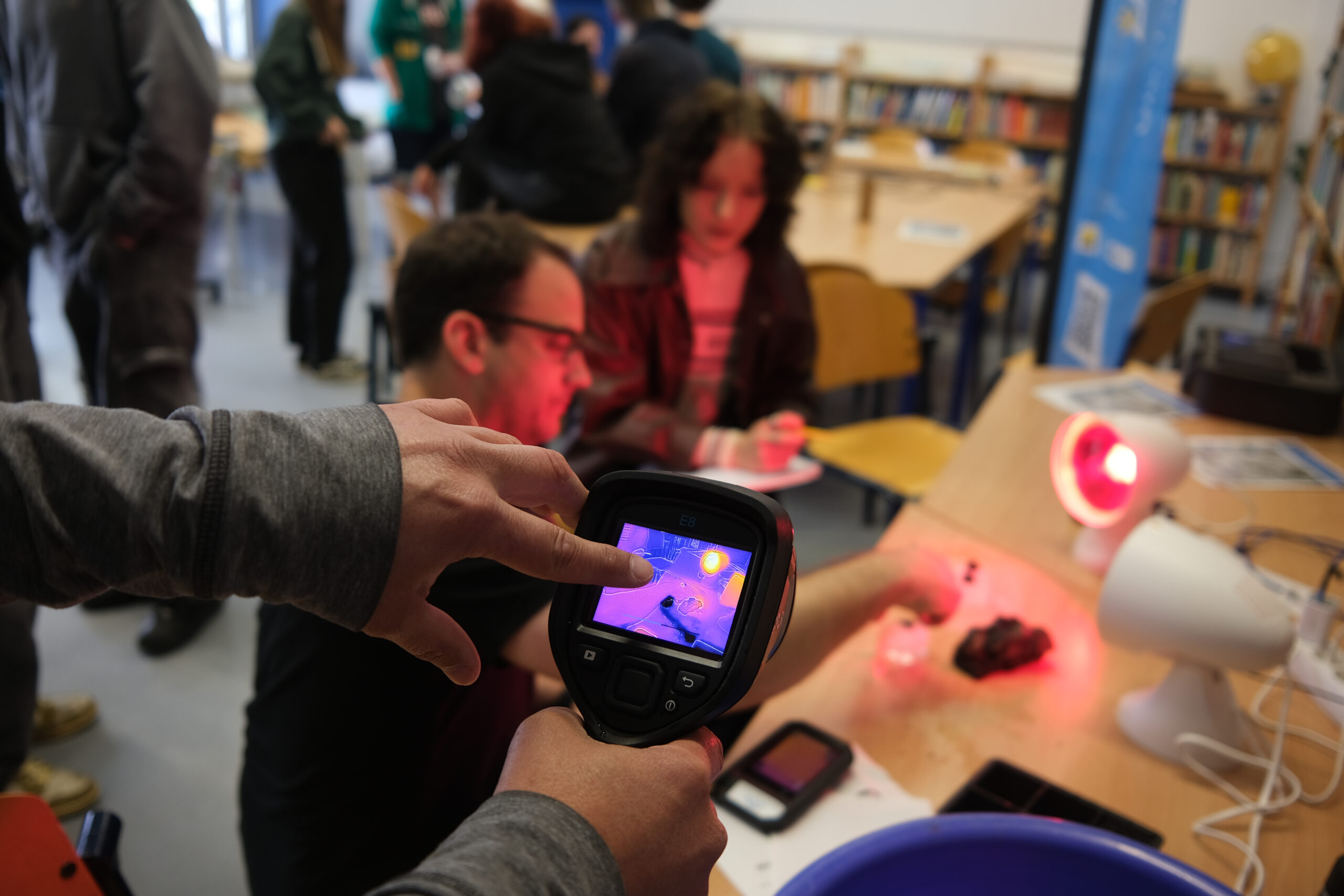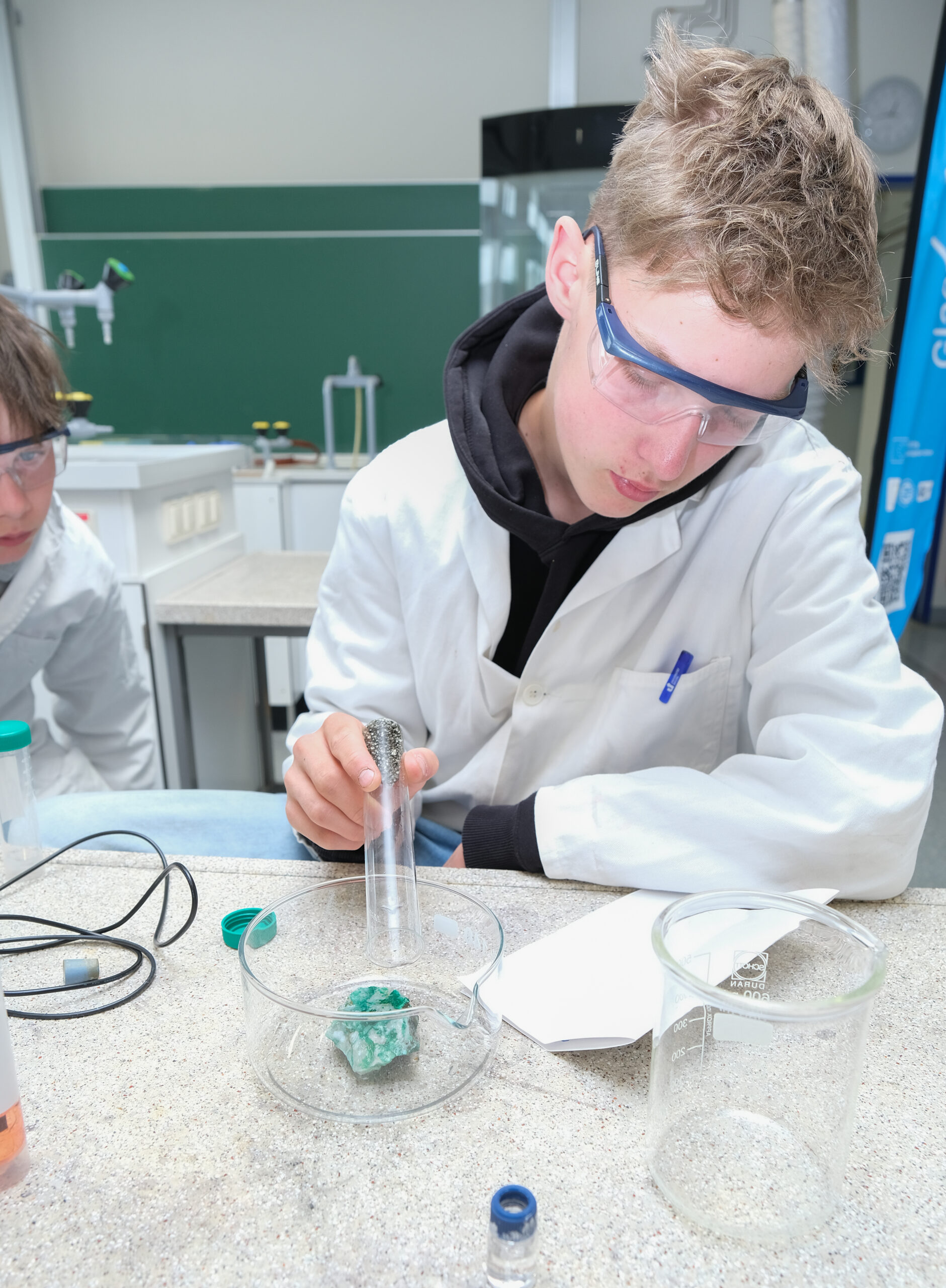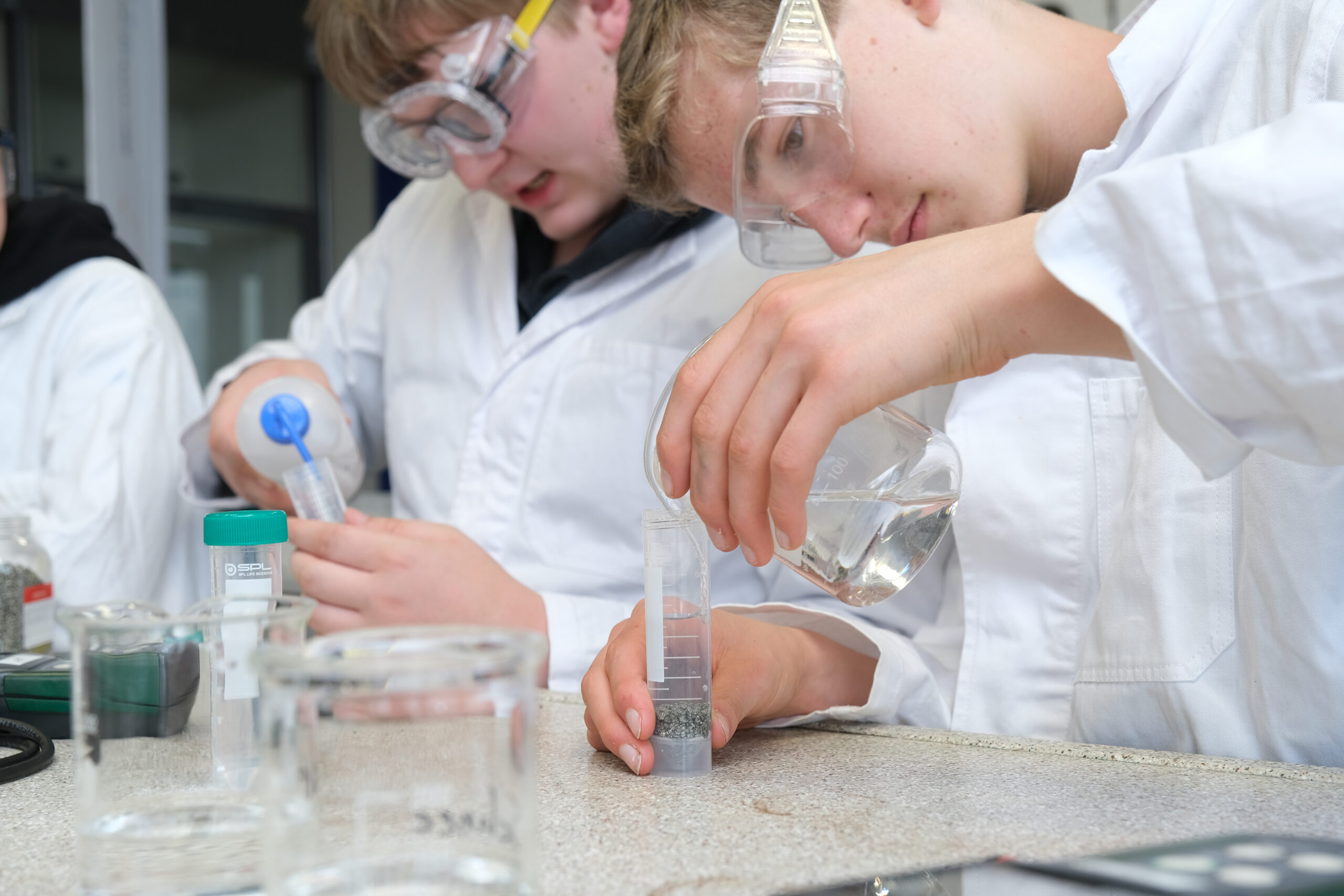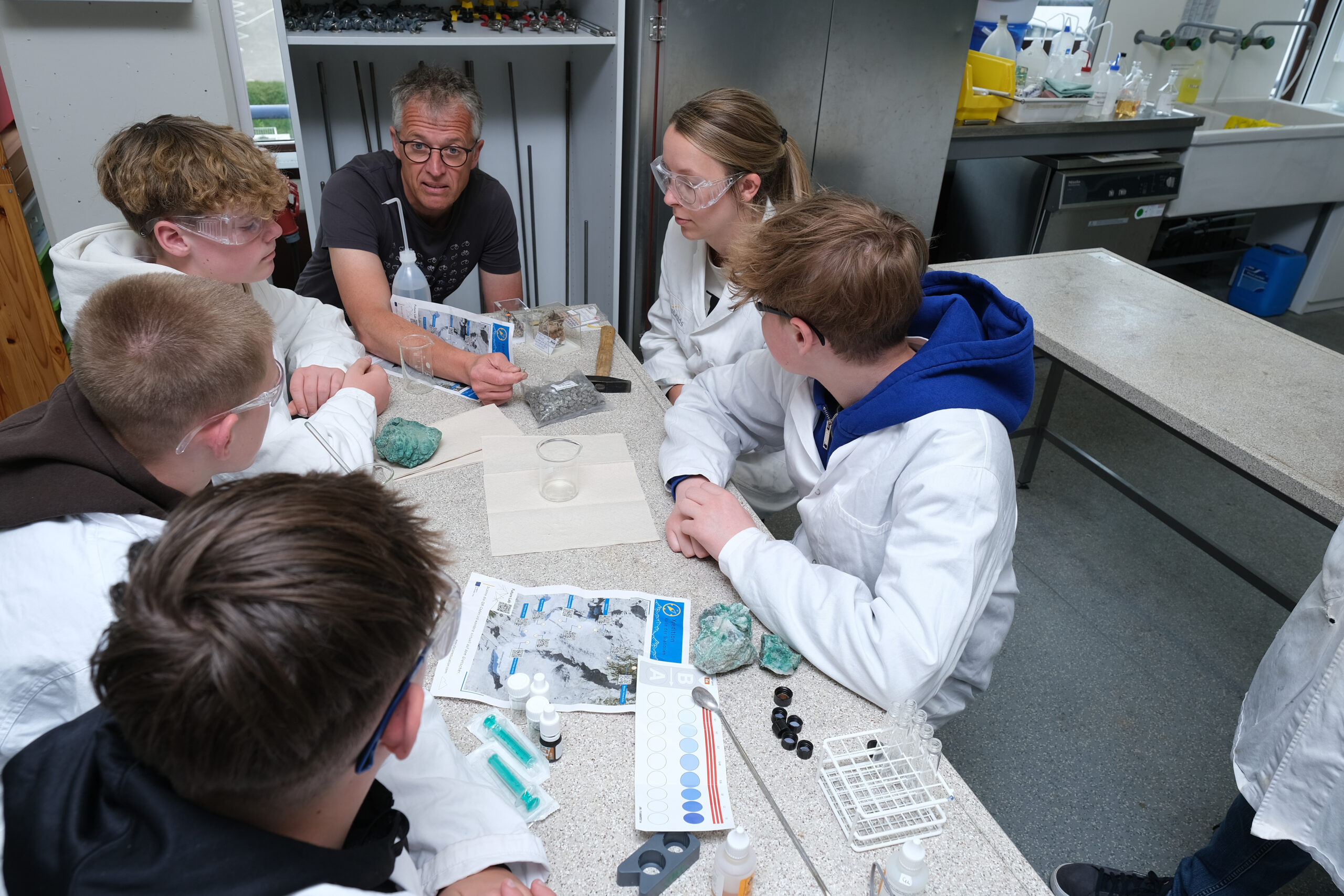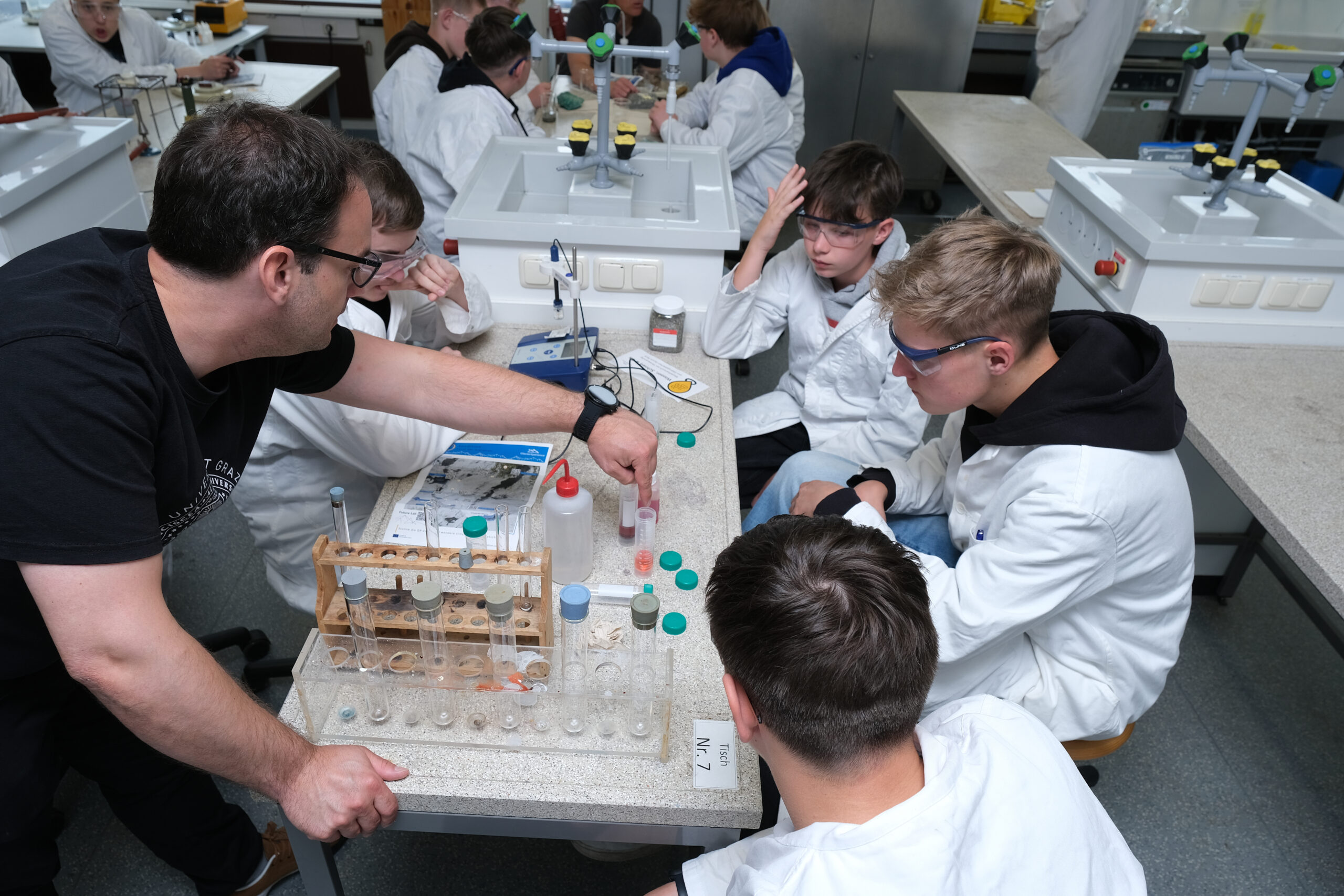
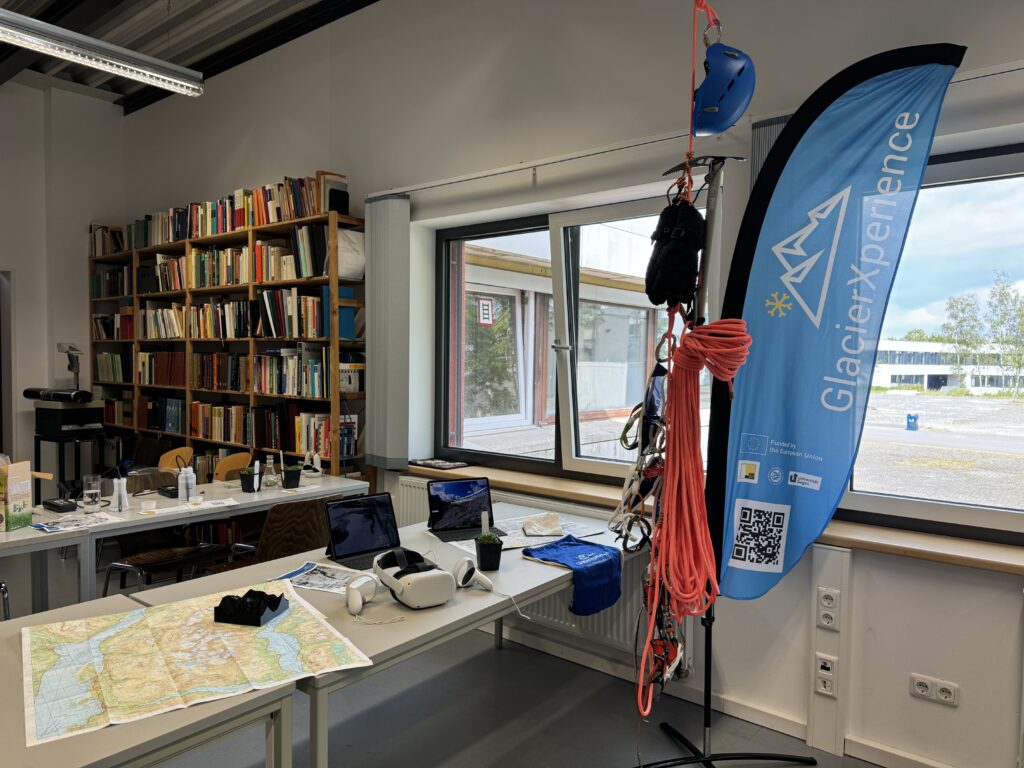
As part of the GlacierXperience project, a special activity week took place in Siegen. Under the motto “Activity 4: Bringing Glaciers to Siegen,” several school classes visited the Glacier Education Lab at the University of Siegen. The aim was to test glacier experiments and trial the lab setting beyond the actual glacier environment.
Monday: Realschule Eslohe (9. Klasse)
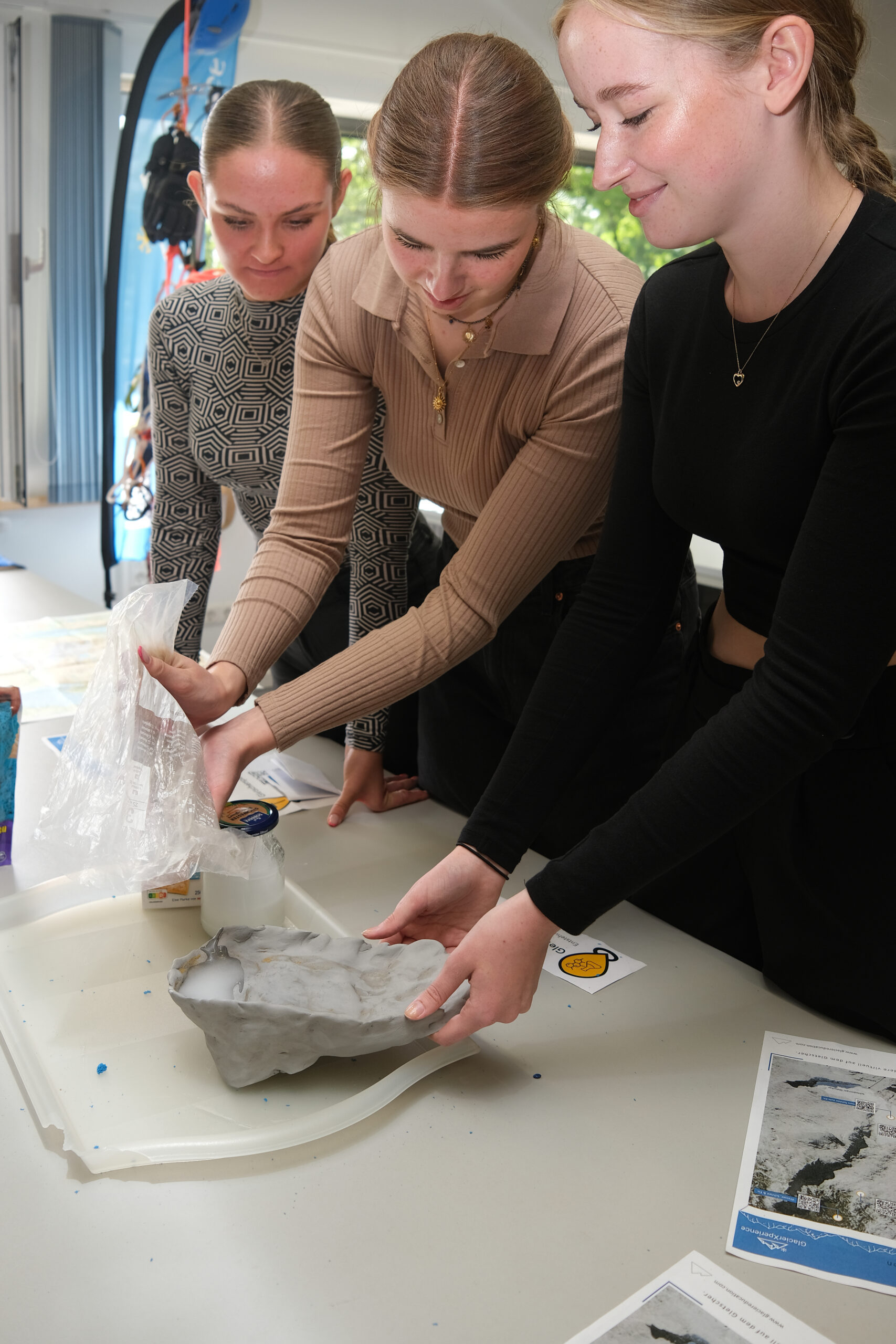
The program began with a 9th-grade class from Realschule Eslohe. Together, the students explored the fundamentals of glacier formation and carried out their first chemical experiments. The focus was on the formation of ice, changes in snow layers, and the impact of climatic influences on glacier landscapes.
Tuesday & Thursday: Feedback from future teachers
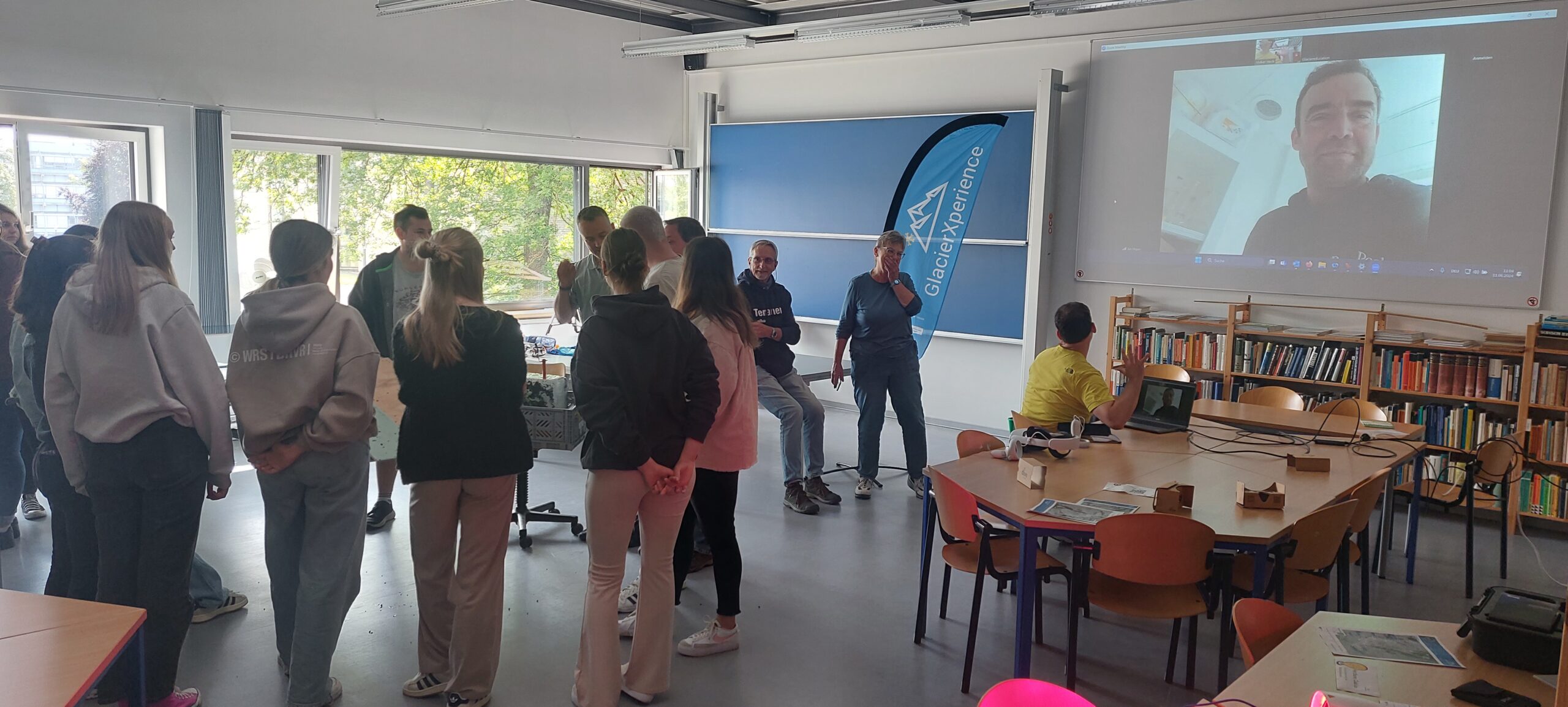
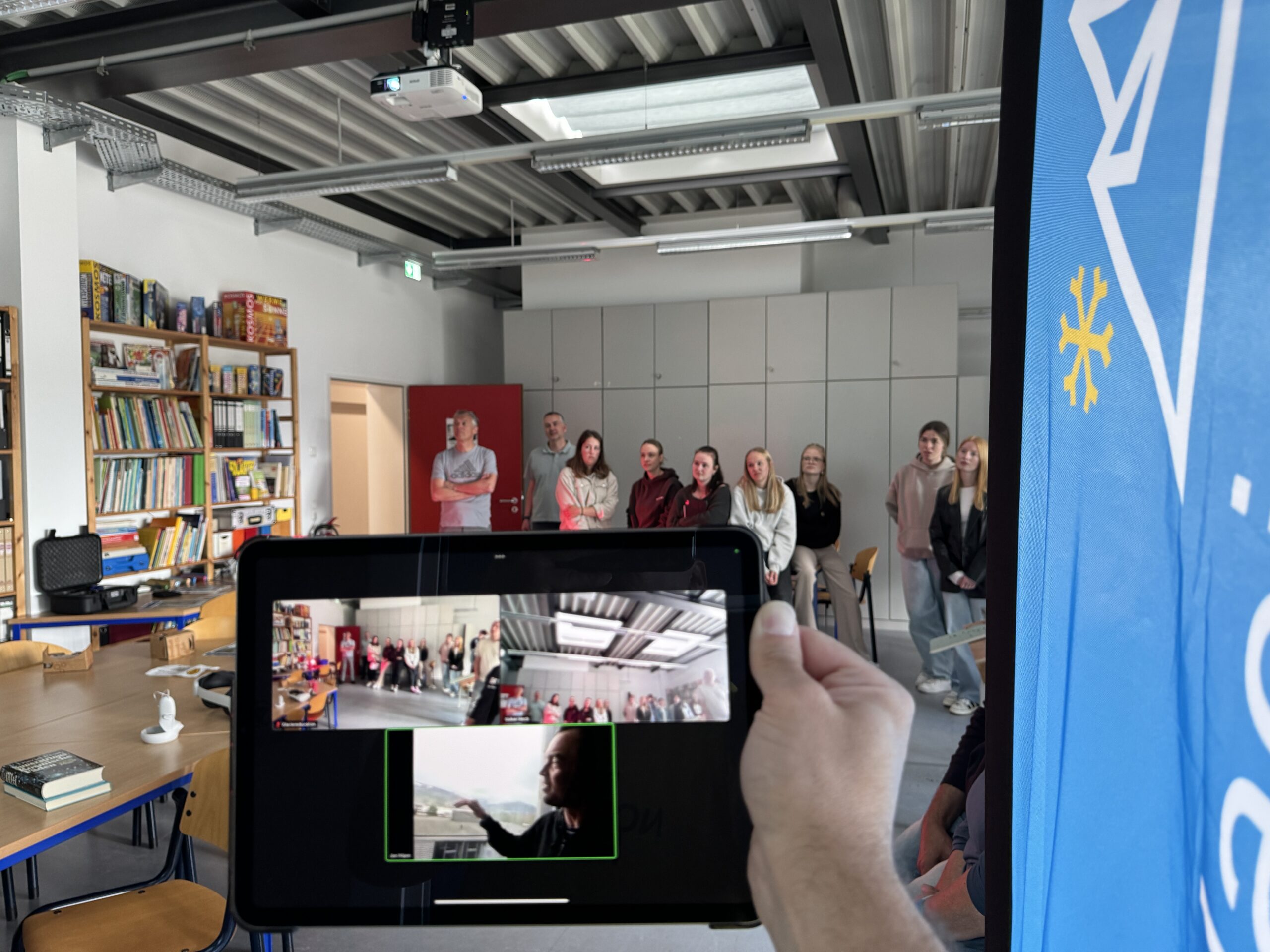
Over the two days, around 100 teacher-training students from the University of Siegen took the opportunity to try out the experiments themselves. During feedback sessions, the procedures, materials, and teaching approaches were discussed. The insights gained are now being incorporated into the further development of the lab program, ensuring that future school classes can be supported in an even more targeted way.
Wednesday: Evangelisches Gymnasium Siegen (Advanced chemistry course)
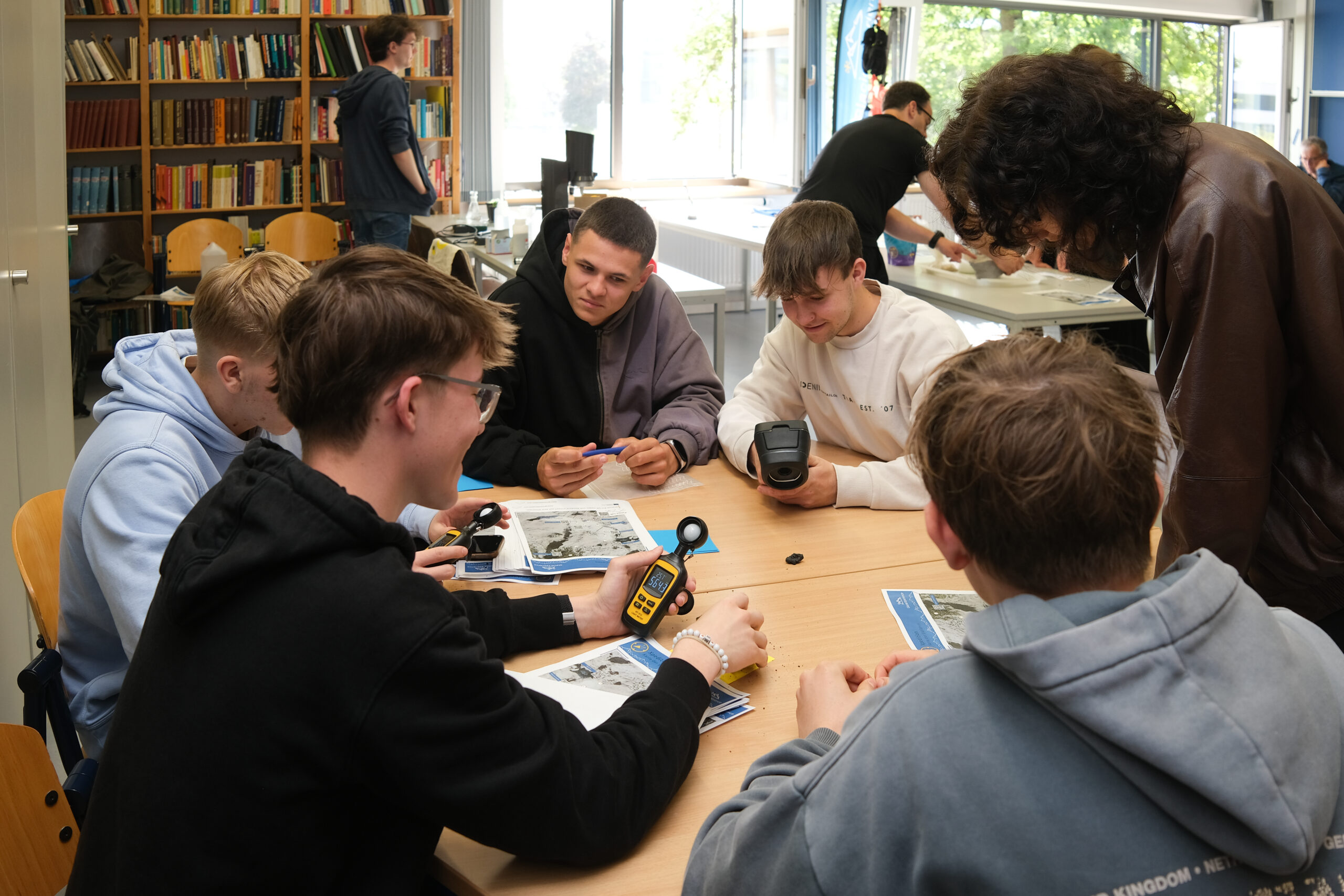
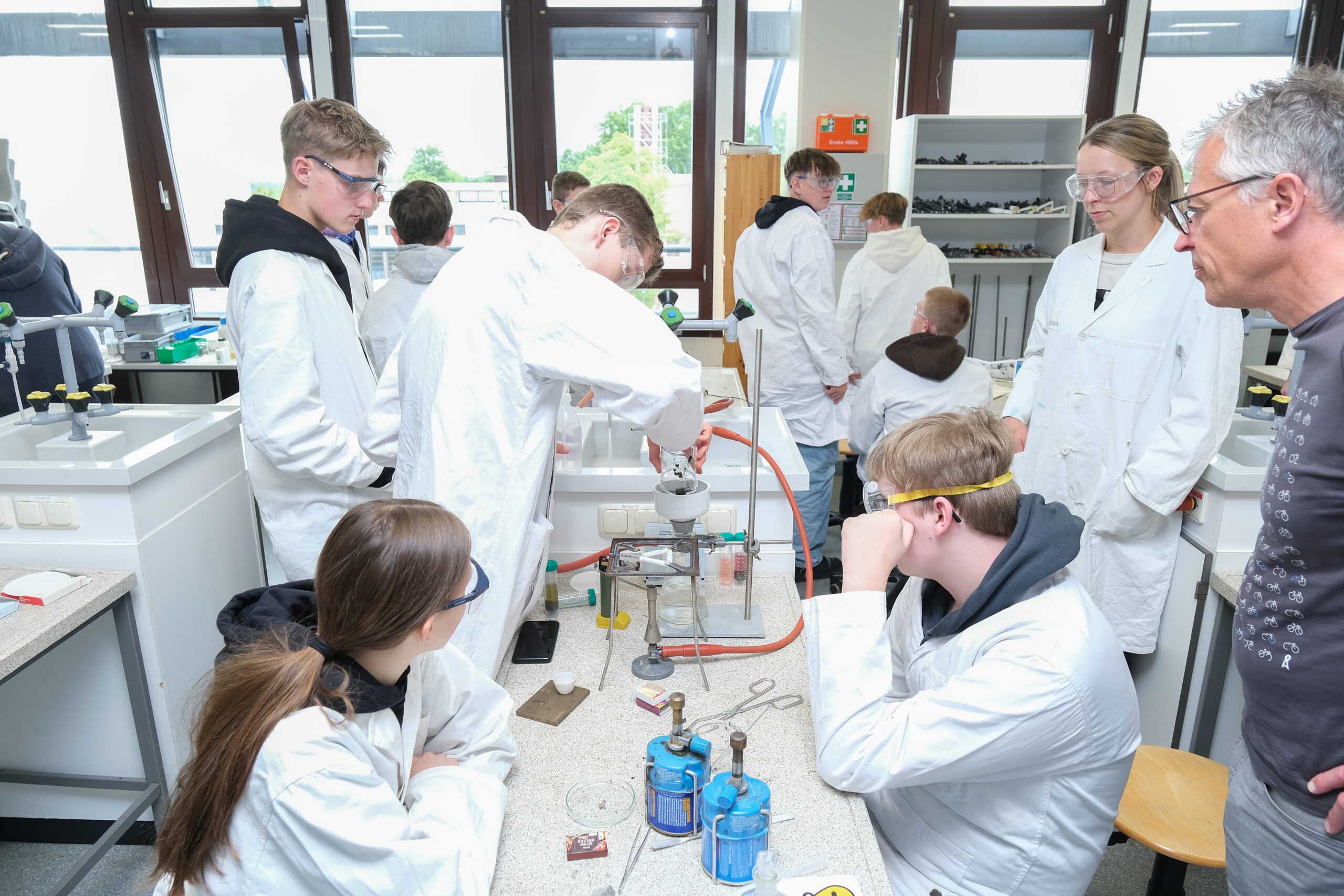
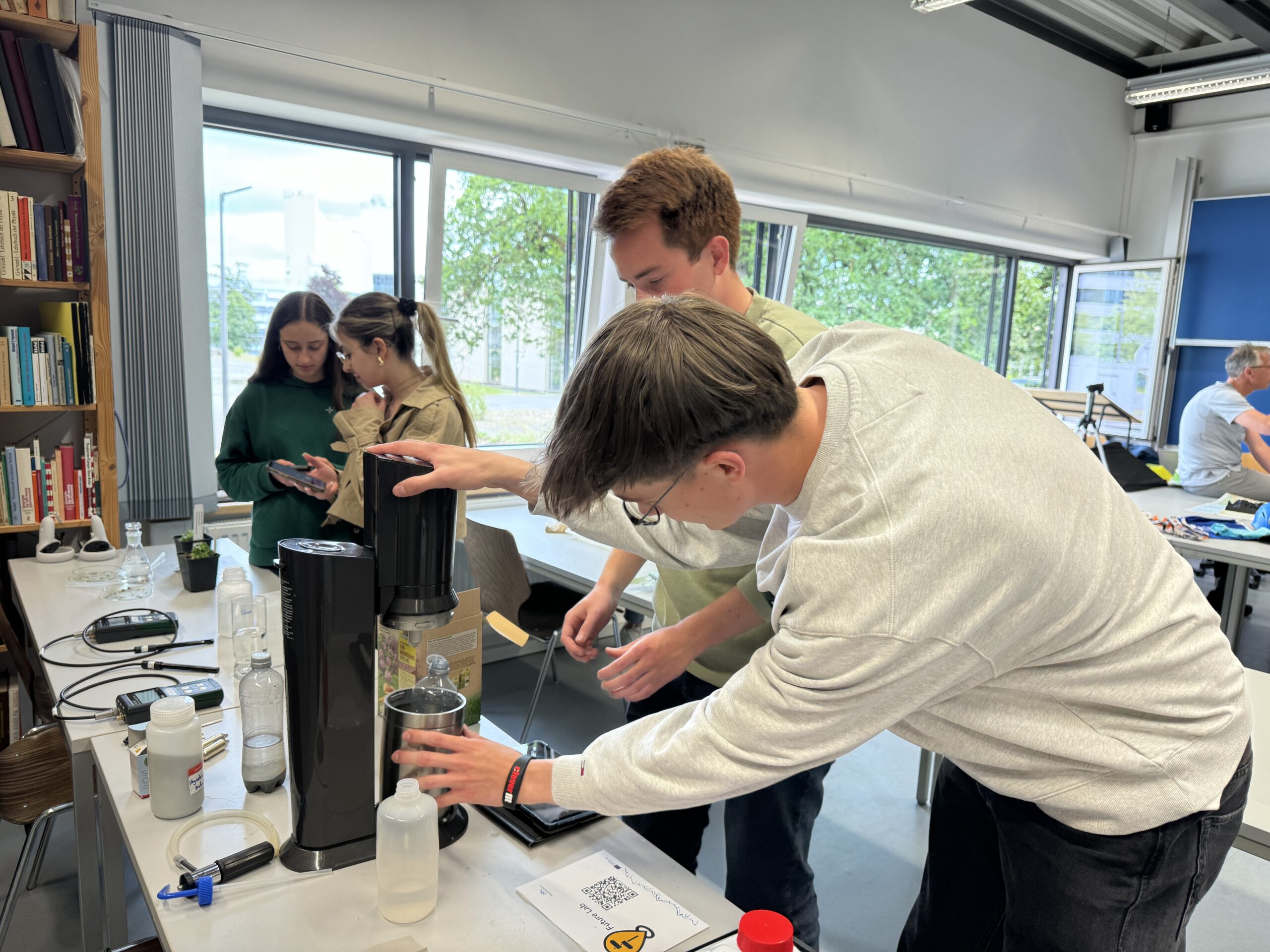
On Wednesday, an advanced chemistry course from the Evangelisches Gymnasium Siegen visited the lab. The focus was on acid rock drainage: students analyzed how pyrite (“fool’s gold”) dissolves in water and forms acid. Using a spectrophotometer, they also investigated how heavy metals—such as copper—can be detected in glacial water.
A particular highlight was the study of cryoconite—the dark dust layer that covers many glaciers. Through thermal separation, the students were able to distinguish between organic and inorganic components and explore their effects on melting rates.
Friday: Gymnasium Wenden (Avanced Course Geography)
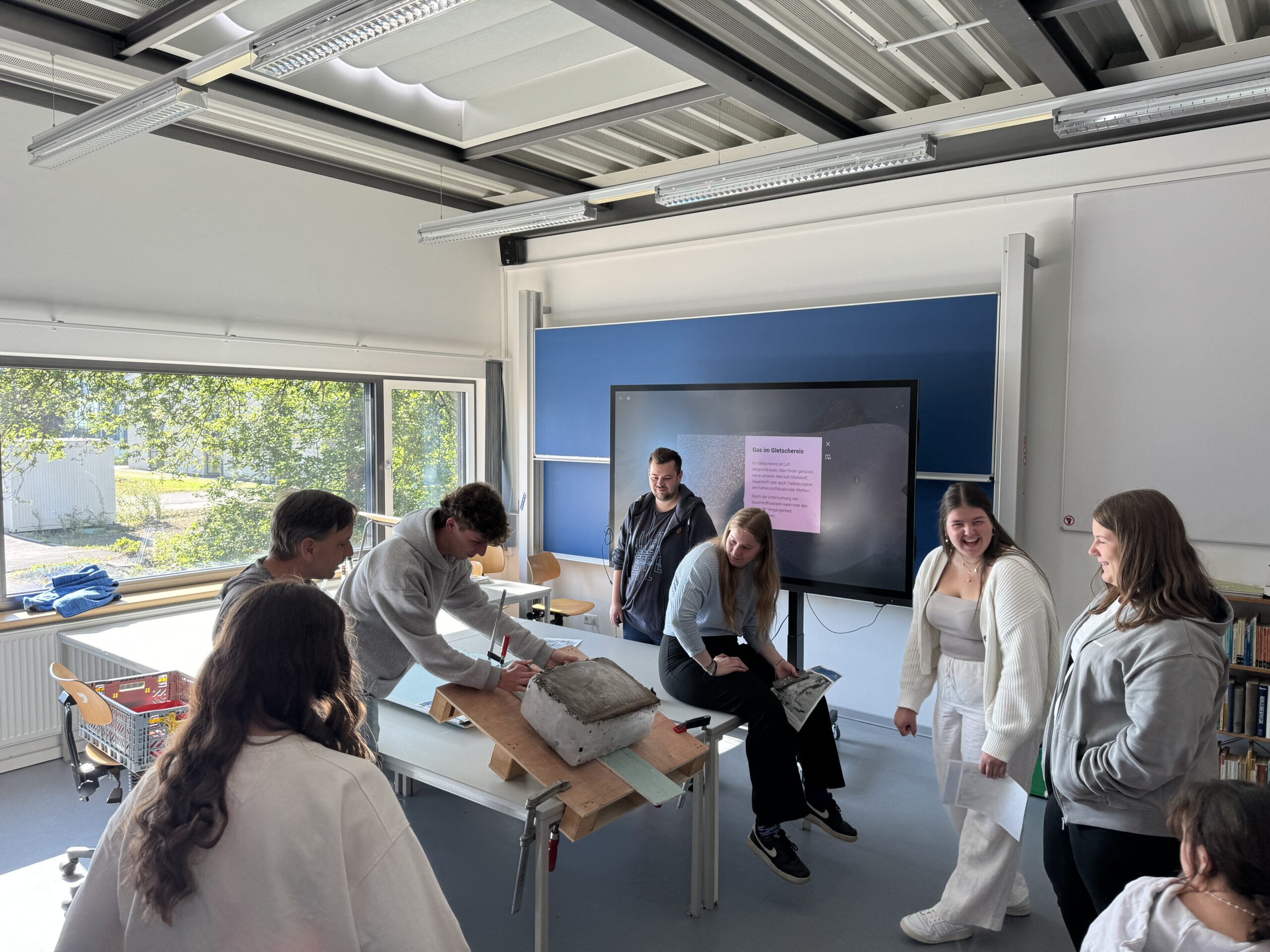
At the end of the week, an advanced geography course from Gymnasium Wenden visited the lab. The students used VR headsets, 3D models, and topographic maps to better understand glacier dynamics. Using a rope model, they practiced self-rescue techniques with the Prusik knot—skills that are normally applied directly on the ice in crevasse situations.
In addition, chemical experiments were part of the program: using hydrochloric acid tests and the plant Saxifraga paniculata, students simulated carbonate reactions. Another experiment demonstrated how carbon dioxide can be stored in rocks over the long term, offering insight into future carbon capture strategies.